Health and Safety Policy for Landscaping Wanstead
 Our Health and Safety Policy sets out the standards and responsibilities that support safe, efficient, and professional landscaping work. Whether the task involves planting, turfing, pruning, paving, or routine grounds maintenance, we are committed to reducing risk and protecting the wellbeing of employees, clients, visitors, and members of the public. This policy applies to all activities carried out under our landscaping services and is reviewed regularly to keep it current, practical, and effective.
We recognise that landscaping in Wanstead can involve a wide range of hazards, including manual handling, power tools, sharp equipment, uneven surfaces, noise, dust, weather exposure, and movement of vehicles or materials. Our approach is based on prevention, planning, and supervision. Every task begins with an assessment of the work area so that risks can be identified before work starts and control measures can be put in place.
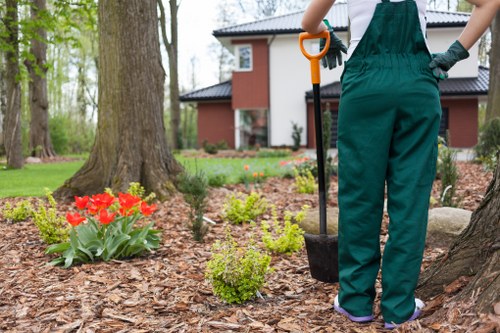 All staff are expected to work safely, follow agreed procedures, and take reasonable care of themselves and others. We provide appropriate training and supervision so that each person understands the correct use of tools, machinery, and protective equipment. In addition, we encourage a culture where concerns are reported quickly and where unsafe conditions are addressed without delay.
Safe working practices are central to our landscape maintenance policy. Where appropriate, we use personal protective equipment such as gloves, protective eyewear, hearing protection, hi-vis clothing, and safety footwear. The exact equipment depends on the task being performed, but it must always be suitable, well maintained, and worn correctly. Equipment checks are carried out before use, and damaged items are removed from service immediately.
Manual handling is a common part of landscaping operations, particularly when moving soil, paving materials, plants, tools, and waste. We aim to reduce strain by using mechanical aids where possible, dividing heavy loads, and planning work so that lifting and carrying is kept to a minimum. Team members are trained to assess weight, posture, and route conditions before moving any load. This helps to prevent back injuries, slips, and other avoidable incidents.
 Machinery and tools used in gardening and landscaping must be operated only by competent personnel. Pre-use inspections are required for mowers, cutters, trimmers, and similar equipment, with faults reported and corrected before the item is used again. Guards and safety devices must remain in place. Fuel, charging, and storage procedures are also controlled carefully to reduce fire risk, spills, and unauthorised use.
Weather conditions can affect safety significantly, especially during prolonged heat, cold, rain, or high winds. Work plans may be adjusted to suit the conditions on the day, and activities may be paused if the environment becomes unsafe. Drinking water, shade, warm clothing, and suitable rest breaks are provided where necessary. Slips and trips are also managed through good housekeeping, clear access routes, and prompt removal of waste and debris.
For work involving excavation, planting pits, edging, or any ground disturbance, we take care to identify underground services and hidden hazards before starting. The area is checked for cables, pipes, unstable edges, and other potential dangers. Barriers, signage, and controlled access are used where needed to prevent unauthorised entry. This careful planning is particularly important in landscape services where multiple trades or site users may be present at the same time.
We also maintain strict standards for vehicle use, loading, and site movement. Drivers and operators must remain alert to pedestrians, reversing risks, restricted spaces, and changing ground conditions. Loads are secured properly, and material storage is arranged to avoid collapse or obstruction. Where public access is possible, we use clear boundaries and safe work zones to protect everyone nearby.
 Emergencies are managed through clear procedures and a calm, prompt response. First aid provisions are available, and staff are instructed on what to do in the event of injury, fire, equipment failure, or environmental incident. Where necessary, work stops immediately and the site is made safe. Incidents, near misses, and hazards are recorded, investigated, and used to improve future practice.
Everyone involved in our landscaping health and safety policy has a role to play in maintaining a safe working environment. Supervisors are responsible for monitoring standards, giving instructions, and ensuring that risk controls remain effective. Employees are responsible for following those controls, using equipment correctly, and reporting concerns promptly. This shared responsibility supports consistent safety across all projects, from small domestic jobs to larger maintenance contracts.
Continuous improvement is part of our commitment to safe landscaping work. We review working methods, inspect equipment, consider feedback from internal checks, and update procedures where new risks or better controls are identified. By combining planning, training, supervision, and practical care, we aim to deliver professional results while protecting people, property, and the wider environment.
 This policy forms an important part of how we deliver responsible and reliable landscaping work. It reflects our belief that quality outcomes and safe practices go hand in hand. Through clear expectations, effective controls, and a consistent focus on prevention, we support a safer workplace and a more dependable service for every project we undertake.